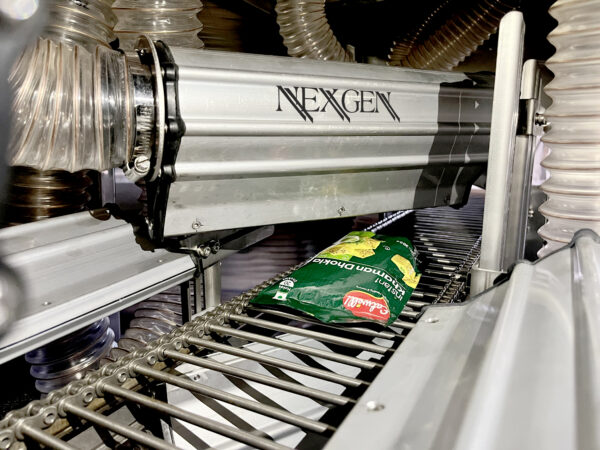
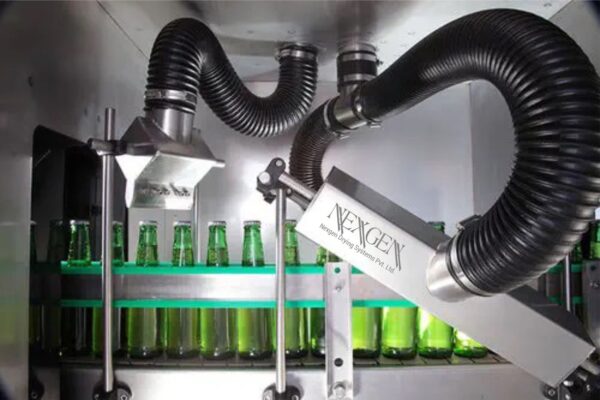
In industries ranging from food processing to automotive manufacturing, the efficiency and effectiveness of drying processes can significantly impact product quality, production speed, and operational costs. One method that has gained prominence for its versatility and efficiency is air knife drying. Let’s delve into why air knife drying has become a preferred choice across various industries.
Understanding Air Knife Drying
Air knife drying involves the use of high-velocity air streams, typically generated by specialized equipment known as air knives or air blowers, to remove moisture or debris from surfaces. This method is particularly effective in applications where thorough drying is crucial to prevent contamination, ensure product quality, or prepare surfaces for subsequent processing or packaging.
Key Benefits of Air Knife Drying
- Speed and Efficiency: Air knife drying offers rapid drying times due to the high-velocity air streams that effectively sweep moisture away from surfaces. This efficiency helps in maintaining high production speeds and throughput.
- Energy Efficiency: Compared to alternative drying methods such as heated blowers or drying ovens, air knife drying can be more energy-efficient. It requires less energy consumption per unit of drying achieved, contributing to operational cost savings.
- Consistency and Control: Air knife systems allow for precise control over air velocity and direction, ensuring uniform drying across surfaces. This consistency is critical in industries where product quality and reliability are paramount.
- Non-contact Drying: Unlike methods that involve physical contact with surfaces (such as wiping or using towels), air knife drying is non-contact. This minimizes the risk of surface damage, contamination, or cross-contamination in sensitive applications.
- Versatility: Air knife drying can be adapted to a wide range of applications and industries. It is used in food and beverage processing (e.g., drying bottles before filling), electronics manufacturing (e.g., drying circuit boards), automotive production (e.g., drying vehicle bodies), and more.
Applications of Air Knife Drying
- Food Processing: Drying fruits, vegetables, packaged goods, and containers to maintain product quality and hygiene standards.
- Manufacturing: Drying components, assemblies, or parts after cleaning, coating, or machining processes in industries like automotive, aerospace, and electronics.
- Printing and Paper: Removing ink or moisture from paper, print media, and packaging materials to ensure print quality and prevent smudging.
- Bottling and Packaging: Preparing containers, cans, or bottles by removing water droplets before filling with liquids or sealing.
Implementing Air Knife Drying Systems
When implementing air knife drying systems, several factors should be considered:
- Design and Configuration: Customizing the air knife system to fit the specific application, including considerations of airflow patterns, nozzle design, and positioning.
- Maintenance and Cleaning: Regular maintenance to ensure optimal performance and longevity of the equipment, including cleaning air filters and inspecting nozzles.
- Safety and Compliance: Adhering to safety regulations and industry standards, particularly in food processing and pharmaceutical manufacturing, to prevent contamination or hazards.
Conclusion
Air knife drying has revolutionized drying processes across industries by offering speed, efficiency, and versatility while maintaining product integrity and quality. Whether in food processing, manufacturing, or packaging, the benefits of air knife drying are clear: improved throughput, reduced energy consumption, and enhanced product reliability. As industries continue to prioritize efficiency and sustainability, air knife drying remains a valuable tool in achieving operational excellence and meeting stringent quality standards.
By understanding the advantages and applications of air knife drying, businesses can make informed decisions to enhance their drying processes, streamline operations, and deliver products that meet or exceed customer expectations. Embrace the power of high-velocity air for effective drying solutions and propel your operations towards greater efficiency and success.